A great user experience feels like magic. When a product is not just easy to use but also a joy to interact with, it creates a bond with the user.
This blend of form and function is where usability and desirability meet.
Usability is the baseline; it ensures a product works well and is free of friction. Desirability is what makes a product feel special. It connects on an emotive level.
For a long time, the focus was on making things work. If a product did its job, that was good. But now, users want more. They want products that are not just useful but also a delight to use.
A product with great usability might get the job done, but a product with great desirability is one people will love, share, and come back to time and time again.
This post will explore the key parts of usability and desirability.
We will look at what each one means, why both are vital, and how they work in the real world. We will also see how to find the right mix for your own product.
This will help you create user experiences that are not just good, but great.
What is Usability in UX?
Usability in UX means a product is simple and easy to use. It is a core part of the user experience. A product with good usability lets users reach their goals with little effort. This means the design is clear, the flow is smart, and there are no big hurdles. When a product is usable, people do not have to think hard to use it. They can get things done fast and feel good about it.
To have good usability, a product must have a few key things. It must be easy to learn.
New users should be able to get it fast. It must be efficient.
Once users learn it, they should be able to do tasks with speed. It should be easy to recall how to use.
If a user comes back after some time, they should not have to learn it all over. The design must also forgive errors.
If a user makes a mistake, it should be easy to fix. Last, users should feel good when they use it. It should be a pleasant experience, not a chore.
Good usability makes a product useful. It is the base on which all great products are built. If a product is hard to use, people will just give up. No matter how nice it looks or what cool things it can do, poor usability will drive users away. It is key to user trust and a core need for any product to do well.
What is Desirability in UX?
Desirability in UX is about how much users want a product. It is the pull that makes a product more than just a tool. It speaks to the user’s hopes and dreams. A desirable product makes a user feel good. It can be a status sign or just a joy to use. It is the ‘wow’ that makes people love a product, not just use it.
Desirability is built on a few key things.
The look and feel are a big part. A clean, nice design can draw people in.
The brand’s tale also adds to it. A brand with a strong, good image can make a product more desirable.
The feel of using the product is key too. Smooth moves and nice sounds can make it a joy to use. All these things work to create a bond with the user.
A product can be useful but not desirable. Think of a plain, dull tool that does its job.
People use it, but they do not love it. Now think of a product that looks great, feels great, and makes you feel smart when you use it.
That is a desirable product. Desirability is what turns users into fans. It is what makes them tell their friends about your product. It builds a loyal group of users who stick with you.
Usability vs Desirability: What is the main point of each?
Usability
Usability’s main point is to make a product easy to use. It wants to help users get their tasks done with no stress. It deals with how well a user can work with a system. A usable product is one that a person can use to reach a goal in a set context. This focus is on the “can they do it” part of the user experience.
Desirability
Desirability’s main point is to make a product that people want to use. It looks at the user’s feelings and wishes. It asks, “Do they want to use this?” A desirable product feels good to use. It connects with the user on a deep level. This could be due to its look, its brand, or how it makes the user feel. Its focus is on the “do they want to do it” part of the user experience.
Why are both vital for a great user experience?
Both usability and desirability are vital for a great user experience. A product with just one is not complete.
If a product is easy to use but not at all desirable, people may use it if they have to, but they will not love it.
They will switch to a new product as soon as one comes out that is more fun to use. It will feel like a dull chore. There is no joy in using it.
On the other hand, if a product is very desirable but hard to use, people will get upset fast. A good look can draw users in, but if they cannot get their tasks done, they will leave.
The nice design will just feel like a lie. It hides a bad, hard-to-use product. Users will feel tricked and will lose trust in the brand.
This can harm the brand’s name in the long run.
A truly great user experience finds a sweet spot. It brings both usability and desirability to the mix. It means the product is not just a tool, but a joy to use.
It meets the user’s needs to get things done, but also their wish for a nice experience. When a product is both easy to use and a delight to use, it creates fans.
These fans will not just use your product, but they will also tell others about it. This builds a strong base for long-term growth.
Real-world cases of good usability and desirability
Apple’s iPhone
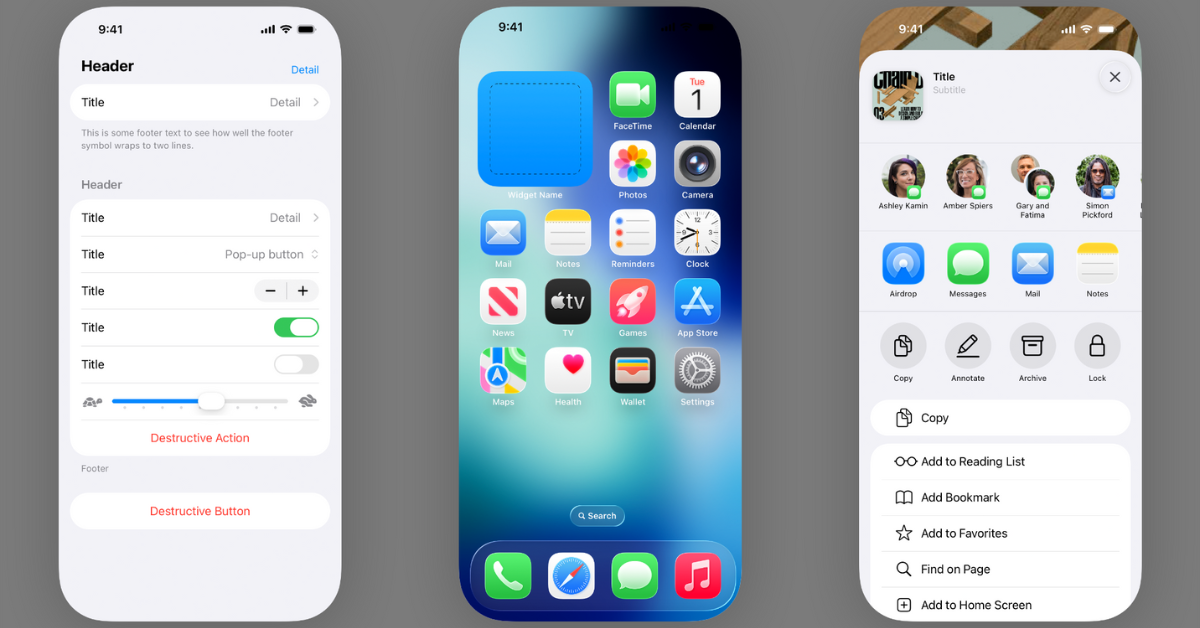
Apple’s iPhone is a great case of good usability and desirability. From the start, the iPhone was straightforward to use. The touch screen was new and simple to learn. The apps were easy to find and use. This high usability meant that people of all ages could pick it up and use it with no guidance.
But the iPhone is also a top case of desirability. It has a sleek, clean design. The feel of the phone is high-end. The Apple brand itself is a sign of new ideas and cool style.
Owning an iPhone makes people feel they are part of a special group. This mix of ease of use and strong desire is why the iPhone is still a huge success.
Duolingo
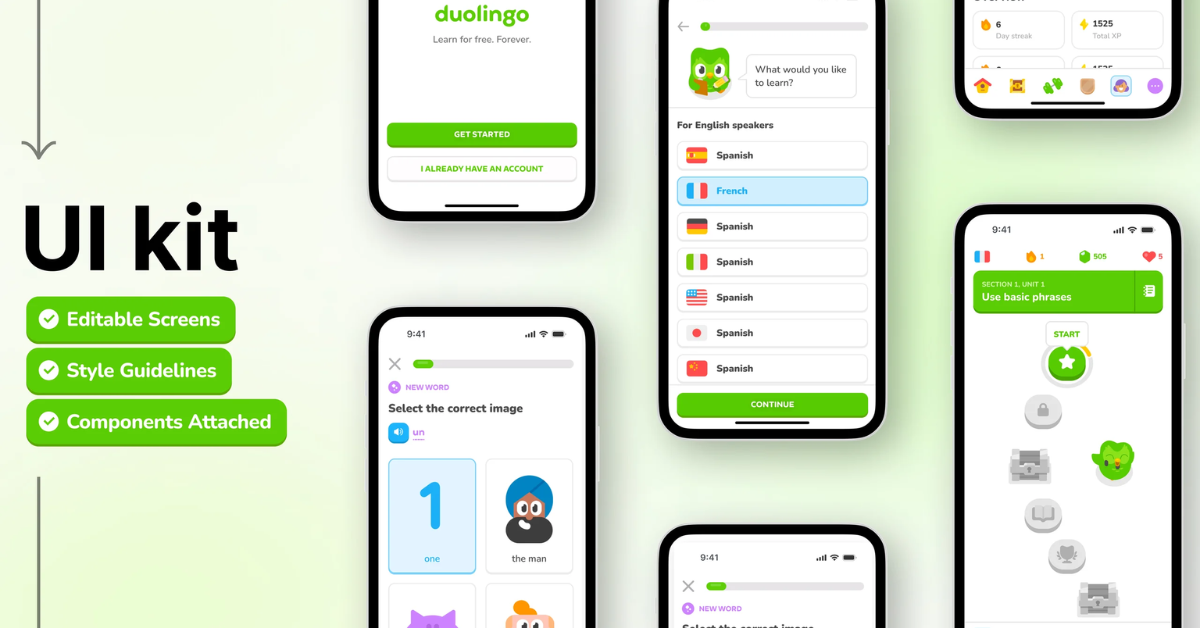
Duolingo is a good case of usability and desirability in the world of apps. The app makes it easy to learn a new tongue. The lessons are short and clear.
The user flow is simple. New users can start to learn in just a few taps. This is great usability.
Duolingo is also very desirable. It uses game-like parts to make learning fun. Users earn points and can compete with friends.
The app’s look is bright and fun. The brand’s tone is upbeat and full of praise. This makes users want to come back each day to learn more. It turns a task that can be hard into a fun game.
Spotify
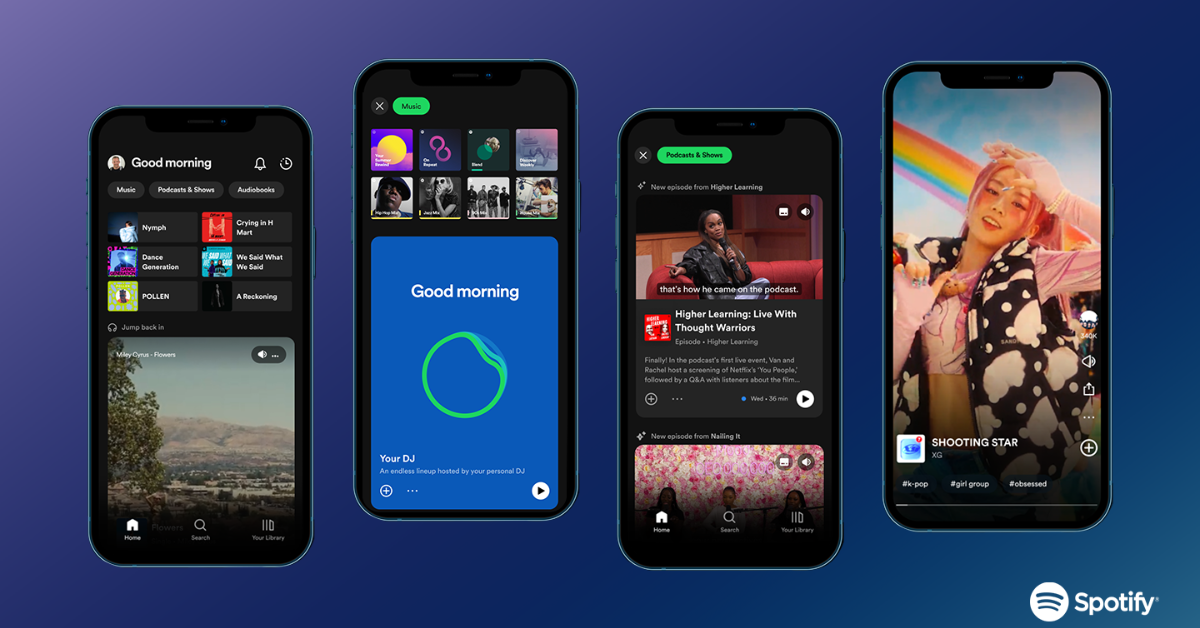
Spotify shows a good mix of usability and desirability in the music world. The app is easy to use. It is simple to find songs, make your own lists, and find new music.
The search works well, and the whole app feels fast and smooth. This high usability lets users get to the music they love with no fuss.
Spotify is also very desirable. The brand is seen as cool and in tune with youth. The custom lists like “Discover Weekly” make users feel seen and known.
The app’s dark look is sleek and modern. Users love to share what they listen to on social sites, which builds a group feel. This makes Spotify more than just a place to play music. It is a part of their own style.
How do you find the right mix for your own product?
To find the right mix of usability and desirability for your own product, you need to know your users well. Start with a user study. Find out who your users are, what they need, and what they want. Use tools like polls, chats, and user maps to get a full view of your users. What are their goals? What makes them happy? What makes them upset?
Next, test your product. Make test runs to check both usability and desirability. Usability tests can show you where users get stuck. Ask them to do tasks and watch where they have a hard time. To check desirability, you can use tests where users react to your design. Do they find it nice? Does it feel good to use? Ask them how they feel about the product.
Keep making your product better over time. Use what you learn from your study and tests to make changes. It is a cycle of build, test, and learn. Do not be scared to try new things, but always keep your user at the core of what you do. Finding the right mix is not a one-time thing. As your users change and the market changes, you may need to change your mix too. Stay close to your users, and you will find the sweet spot that makes your product both useful and loved.
Building Products People that Love
The key to a great product is to find the right mix of usability and desirability. A product must work well, but it also needs to connect with users on a deep level. Usability is the base. It makes sure your product is clear and easy to use. Desirability is the soul. It is what makes your product a joy to have.
When you build your product, think of both. Do a user study to know what your users need and want. Test your product to see where it can be made better. Do not see usability and desirability as two separate things. See them as two parts of the same whole, the user experience. By doing this, you can build products that people do not just use, but truly love.